Key Takeaways
- Indoor and outdoor golf offer distinctly different experiences. While the core skills remain the same, factors such as weather, terrain, and setting alter how the game is played and experienced.
- Indoor golf provides valuable performance data. With instant feedback on every swing, it’s ideal for players looking to analyse and improve their technique in a structured way.
- Convenience plays a significant role in indoor sessions. Shorter play times and the ability to practise regardless of the weather make indoor formats more accessible for busy schedules.
- The social and learning environment is more relaxed indoors. Simulators create a friendly space for beginners, group games, or casual practice, making golf more inclusive.
Introduction
Golf may follow the same rules whether you’re playing indoors or out, but the experience can feel entirely different. From swing feedback to environmental conditions, every aspect of the game shifts depending on where you play. If you’ve only tried outdoor courses or are curious about stepping into a simulator, understanding how indoor golf vs outdoor golf compares can make all the difference.
This guide unpacks the key differences to help you choose the format that best fits your goals, schedule, and playing style.
How Much Do Weather and Conditions Change the Game?
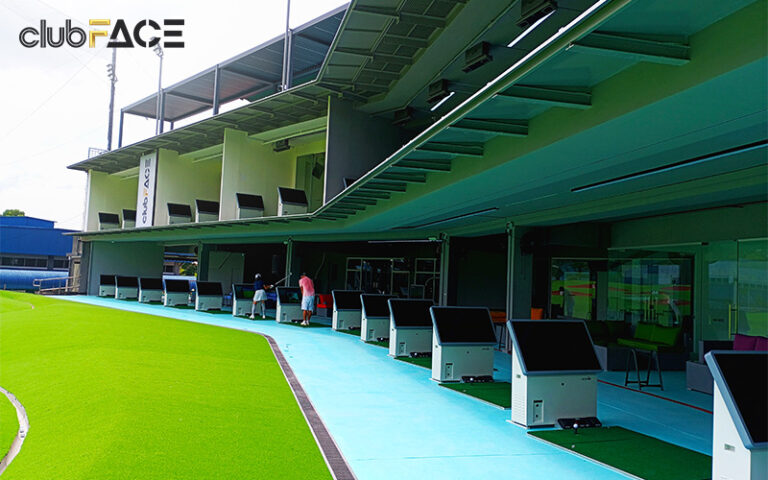
More than you might think. Outdoor golf is shaped by its surroundings: wind, rain, heat, and uneven ground all play a part in how your ball behaves. Even a light breeze can alter your shot, while wet turf changes how the ball bounces and rolls.
Indoor golf, by contrast, removes those external factors. At a well-equipped indoor driving range in Singapore, conditions remain consistent, regardless of the season. It’s a controlled setting that lets you concentrate purely on technique without the unpredictability of the weather getting in the way.
Understanding these contrasts is crucial when weighing the benefits of indoor golf vs outdoor golf.
Does Indoor Golf Capture the Same Feeling as Playing Outside?
Outdoor golf offers the whole sensory experience: wide-open skies, natural terrain, and the physical rhythm of walking the course. It’s immersive in a way that places you fully in the game, with every element of the environment playing a part.
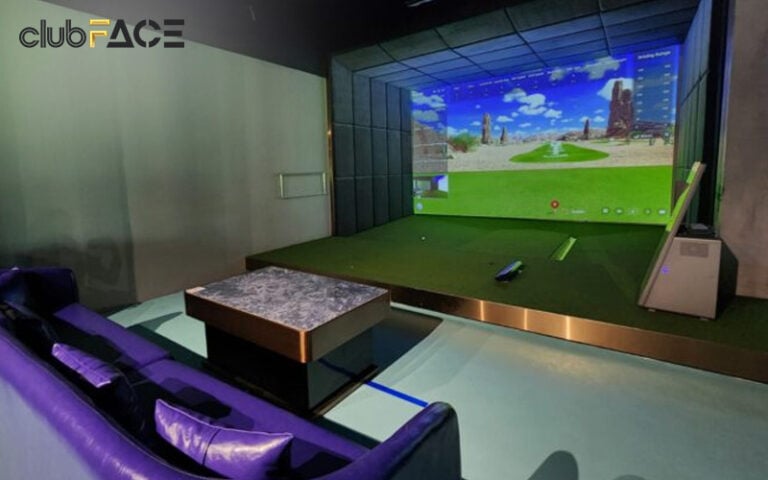
Indoor golf recreates this differently. With high-definition visuals and virtual versions of well-known courses, it delivers accuracy and realism, even if the breeze and birdsong are missing. The immersion may feel less expansive, but it’s still engaging, especially for newcomers or anyone looking to ease into the sport in a lower-pressure setting.
How Does the Feedback Compare Between Indoor and Outdoor Golf?
This is where indoor golf often stands out. Simulators offer immediate access to detailed swing metrics, including ball speed, launch angle, spin rate, shot dispersion, and more. Everything is measured and displayed in real time, giving you clear, actionable insights without the need for extra gear.
Outdoor golf, by comparison, depends more on feel and observation. Unless you’re using advanced tools like TrackMan with a coach, it’s harder to gather precise data. For those aiming to fine-tune their technique, indoor golf vs outdoor golf offers a more feedback-rich environment that supports measurable progress.

Which Option Fits Better Into a Busy Schedule?
When time is tight, indoor golf offers unmatched convenience. You can step into a simulator, warm up, and play a quick 9 or 18 holes, all within an hour. There’s no waiting for slower groups, no trekking between holes, and no rain delays to worry about.
For players in Jurong and beyond, having access to a nearby indoor golf range in Singapore makes it far easier to keep up with regular practice. The flexibility to fit in short, focused sessions is a significant advantage over traditional courses, which often require more time, travel, and planning.
How Does the Social and Learning Atmosphere Compare?
Outdoor golf carries a strong sense of tradition, marked by quiet etiquette, formal dress codes, and a more structured pace. While that appeals to seasoned players, it can feel daunting for beginners or those still building confidence.
Indoor golf tends to feel more relaxed and inclusive. Simulators provide a welcoming space for group games, casual lessons, or company social gatherings. Many venues also offer tailored golf packages that cater to beginners, families, or those seeking to combine coaching with social play. When comparing indoor golf vs outdoor golf, the indoor format often stands out as a more approachable and flexible way to learn and enjoy the game.

Which Format Feels Right for You?
Deciding between indoor golf vs outdoor golf isn’t about choosing one over the other. It’s about finding what aligns with your lifestyle, skill level, and goals. Outdoor golf brings the natural challenge and satisfaction of navigating a full course, while indoor setups offer convenience, precise feedback, and a more accessible way to practise.
Many players find that blending both formats offers the best of both worlds: structure when time is tight and tradition when there’s space to roam.
Curious to see how indoor golf fits into your routine? Book a session today and experience a smarter, more flexible way to play, improve, and enjoy the game.